jaweya1
Do³±czy³: 21 Wrz 2025
Posty: 2223
|
 Wys³any: Pon Gru 22, 2025 13:12 Temat postu: The Future of Education: Embracing Innovation for a Brighter Wys³any: Pon Gru 22, 2025 13:12 Temat postu: The Future of Education: Embracing Innovation for a Brighter |
 |
|
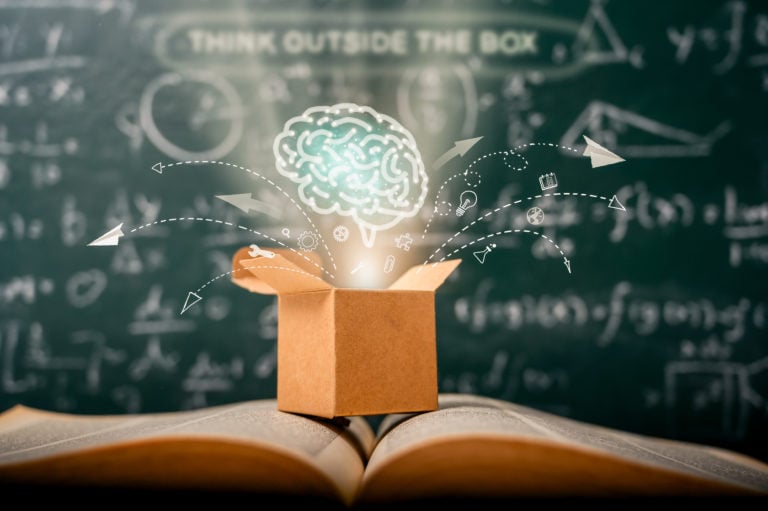
Education has always been the cornerstone of human development, empowering individuals with knowledge and skills that shape the future. However, as we stand at the crossroads of technological advancement, societal change, and global interconnectedness, the way we approach education is rapidly evolving. The future of education promises to be more inclusive, flexible, and driven by innovation than ever before.
The Rise of Digital Learning
One of the most significant changes in education today is the rapid rise of digital learning. Online courses, virtual classrooms, and digital resources have broken down barriers, allowing education to reach anyone, anywhere, at any time. Students no longer need to be confined to traditional classrooms or limited by geographic location. With the power of the internet, learning can happen at any hour of the day, providing students with the opportunity to learn at their own pace.
Furthermore, digital platforms and tools offer personalized learning experiences, adjusting the curriculum to meet the individual needs and learning styles of students. Artificial intelligence (AI) is increasingly playing a role in creating adaptive learning environments that cater to students’ strengths and weaknesses, ensuring that no learner is left behind.
Gamification: Making Learning Engaging
Gamification, the integration of game mechanics into educational experiences, is another trend that’s transforming education. By using game-like elements such as rewards, levels, and challenges, educators can make learning more engaging and interactive. This approach is particularly beneficial for younger learners, as it taps into their natural curiosity and enthusiasm for games.
Games not only motivate students to keep learning but also help develop essential skills such as problem-solving, critical thinking, and teamwork. Platforms like Khan Academy and Duolingo have embraced gamified learning, showing that education doesn’t have to be a passive experience—it can be fun, dynamic, and empowering.
The Importance of Lifelong Learning
In a rapidly changing world, the concept of lifelong learning has gained more importance than ever before. With the advent of automation, artificial intelligence, and globalization, the job market is evolving at a rapid pace. Jobs that exist today may not be around in the next few decades, and new fields of work are emerging that require entirely new skill sets.
As a result, it’s no longer enough to rely solely on a formal education system. Individuals must commit to continuous learning throughout their careers. This is where online platforms, micro-credentials, and certification programs come in, offering adults the opportunity to learn new skills and pivot to new careers without having to go back to traditional school settings.
Inclusivity and Accessibility in Education
Another essential aspect of the future of education is making learning accessible to all. Historically, education has been a privilege, but as society progresses, the push for inclusivity in education has gained momentum. Efforts to make education more inclusive involve providing equal access to resources, supporting students with disabilities, and ensuring that marginalized communities are not left behind.
Technological advances, such as text-to-speech software, sign language interpreters, and other assistive technologies, are playing a crucial role in creating an inclusive learning environment. Schools and universities are also prioritizing diversity and inclusion initiatives, ensuring that students from different backgrounds feel represented and supported.
The Role of Teachers in the Digital Age
As education continues to evolve, the role of the teacher remains critical. While technology can supplement and enhance the learning experience, it cannot replace the human connection that teachers provide. In fact, the future of education will likely see teachers evolving from traditional lecturers to facilitators of learning, guiding students through a more personalized and student-centric approach.
Teachers will be able to use data analytics to track student progress, identify learning gaps, and offer targeted support, making their roget more infole even more impactful. This shift will require professional development and training, enabling educators to effectively integrate technology into their teaching methods.
The Globalization of Education
In an increasingly interconnected world, education is no longer confined to national borders. Global collaboration, cross-cultural exchange, and international learning opportunities are becoming more common. Virtual exchange programs, international online courses, and global classrooms are connecting students and teachers from all corners of the world, creating a more globalized educational experience.
This interconnectedness fosters global awareness, cultural competence, and a sense of shared responsibility among learners. As students interact with peers from different backgrounds, they gain new perspectives and become better equipped to work in diverse, international environments.
Conclusion: A New Era of Education
The future of education is filled with exciting possibilities. With the power of technology, a focus on inclusivity, and a commitment to lifelong learning, the educational landscape is being transformed in profound ways. While challenges remain, the ongoing innovation and adaptability of educators, students, and institutions will pave the way for a brighter, more equitable future for education worldwide.
As we embrace these changes, one thing is clear: the future of education is not just about acquiring knowledge; it’s about fostering critical thinkers, nurturing creativity, and preparing individuals to thrive in an ever-evolving world. |
|

 POMOC
POMOC Szukaj
 U¿ytkownicy
 Grupy
Grupy Rejestracja
 Profil
 Zaloguj siê, by sprawdziæ wiadomo¶ci
 Zaloguj


